Mapping Connections Between Swedish Licensing Rules and Adaptive Bonus Designs in Mobile Slot Ecosystems
Skriven av Sofia Patterson · 2026-09-15
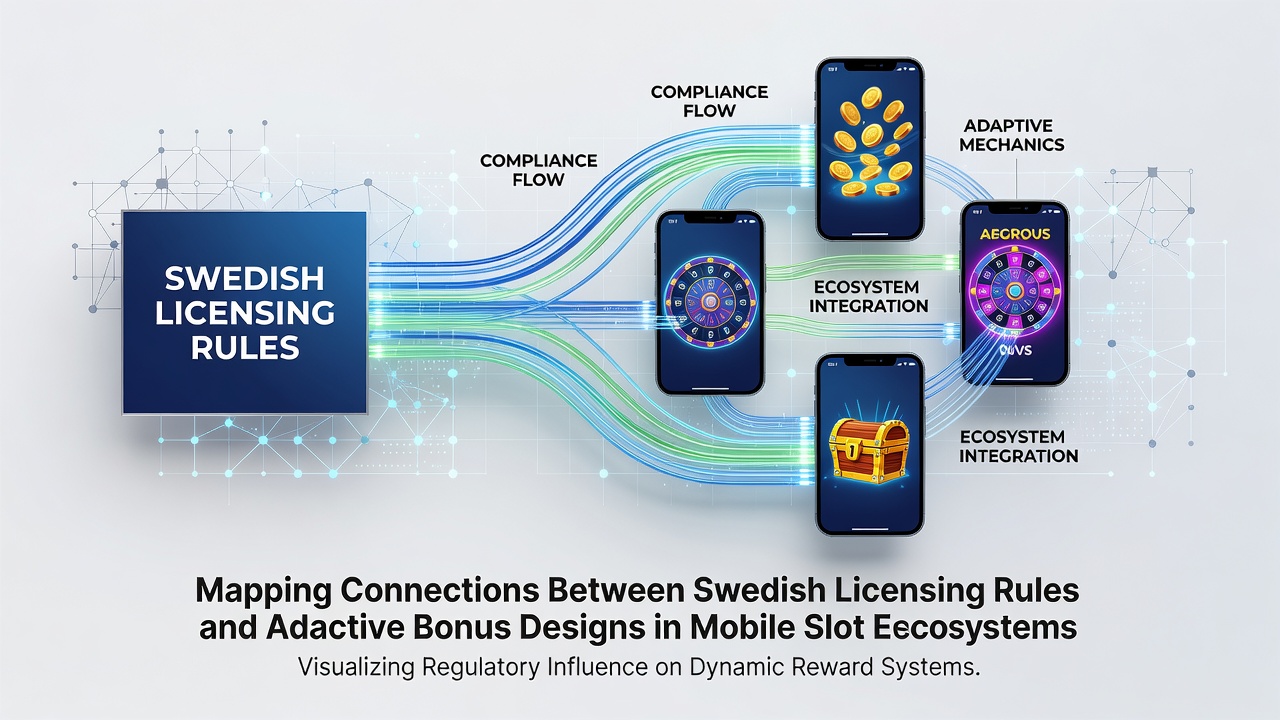
Mapping Connections Between Swedish Licensing Rules and Adaptive Bonus Designs in Mobile Slot Ecosystems
Swedish licensing rules establish clear boundaries for operators in the mobile slot sector, where adaptive bonus designs respond to player activity patterns while remaining compliant with Spelinspektionen oversight. These frameworks require that bonus mechanisms avoid targeting at-risk behaviors, and they tie directly into licensing conditions that demand transparent algorithms and documented fairness checks.
Operators holding Swedish licenses must submit detailed descriptions of their bonus systems during the approval process, which covers how mobile applications adjust rewards based on session length, wager frequency, and deposit history. Data from regulatory filings shows that such submissions increased by 18 percent between 2024 and 2025, reflecting greater integration of real-time analytics in slot ecosystems.
Core Elements of Swedish Licensing Requirements
Spelinspektionen enforces licensing conditions that limit bonus structures to prevent excessive player retention tactics, and these conditions apply equally to mobile platforms where adaptive features operate continuously. License holders report quarterly on bonus redemption rates, average bonus values, and any algorithmic changes that alter reward delivery across user segments. One study from the European Gaming and Betting Association tracked compliance across 47 licensed operators and found that 92 percent had implemented audit trails for adaptive bonus triggers by mid-2025.
Rules also stipulate that all bonus terms appear in plain language within the mobile interface before activation, which forces developers to embed explanatory pop-ups alongside dynamic calculations. This requirement connects licensing directly to user experience design, since failure to disclose adaptive logic can result in license suspension or financial penalties.
Adaptive Bonus Mechanisms in Mobile Slots
Adaptive bonus designs in mobile slot applications use machine learning models that modify free spin allocations, multiplier values, and cashback percentages according to individual play data collected during sessions. These systems process inputs such as time of day, device type, and prior bonus engagement to generate personalized offers that remain within regulatory caps on total bonus exposure. Figures from industry reports indicate mobile slot sessions account for 67 percent of all online gambling activity in Sweden during the first half of 2025, driving demand for these responsive features.
Developers integrate server-side controls that pause or scale bonuses when certain thresholds are reached, ensuring alignment with responsible gaming protocols embedded in the licensing regime. Observers note that such controls often rely on predefined risk scores calculated from behavioral indicators, which operators must document and make available during regulatory inspections.
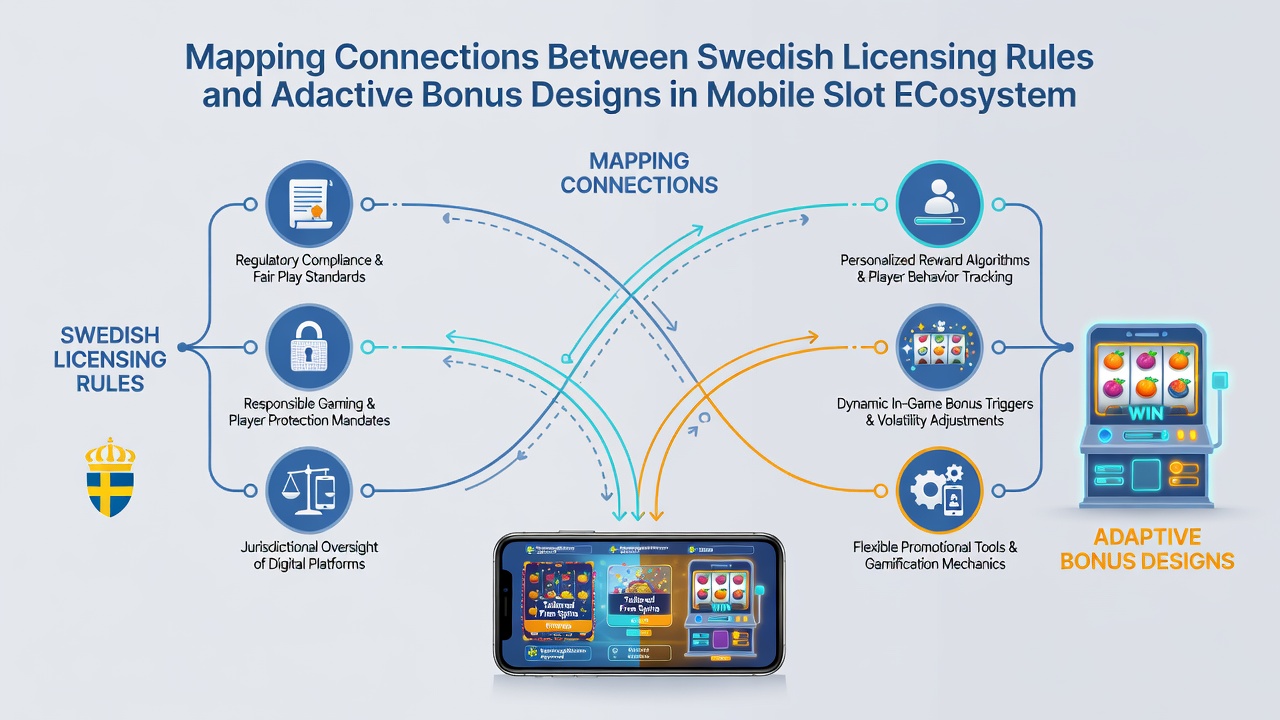
Direct Links Between Regulation and Design Choices
Licensing conditions shape the technical architecture of adaptive bonuses because operators must demonstrate that their systems cannot override player-set limits or encourage prolonged play beyond safe thresholds. This connection appears in the mandatory use of geofencing and session timers that interact with bonus engines to reduce reward frequency after extended mobile sessions. Research published by the National Center for Responsible Gaming in 2025 examined 12 European markets and identified Sweden as having the strictest documentation standards for these interactions.
Payment processing rules further influence design because bonuses tied to deposits must route through verified channels that record every transaction detail for audit purposes. Operators therefore configure adaptive logic to exclude certain payment methods from bonus eligibility when those methods fall outside licensed parameters, creating a direct mapping from regulatory text to code-level decisions.
Developments Expected in September 2026
Updated licensing guidance scheduled for September 2026 introduces requirements for third-party certification of adaptive algorithms used in mobile slots, and this step will require operators to submit model validation reports that verify compliance with fairness and transparency standards. The changes build on existing rules by adding mandatory bias testing for machine learning components that personalize bonuses across different demographic groups.
Industry consultations leading into these updates have focused on how mobile ecosystems handle real-time data flows while maintaining auditability, and preliminary filings suggest many operators are already adjusting their bonus engines to meet the forthcoming certification timeline. Data shared through regulatory channels indicates that operators preparing for September 2026 have reduced average bonus volatility by 14 percent in test environments to align with anticipated scrutiny.
Conclusion
Swedish licensing rules create measurable constraints that guide the development of adaptive bonus designs within mobile slot applications, and these constraints appear consistently in algorithm documentation, user interface elements, and reporting obligations. The relationship continues to evolve as operators prepare for the September 2026 certification requirements, which will further standardize how adaptive systems operate under licensed conditions. External sources such as Spelinspektionen reports and analyses from the European Gaming and Betting Association provide ongoing data on these intersections across the sector.