How Regional Oversight Shapes Visual Themes in Digital Reel Games for Handheld Devices
Skriven av Dana Fischer · 2026-10-13

How Regional Oversight Shapes Visual Themes in Digital Reel Games for Handheld Devices
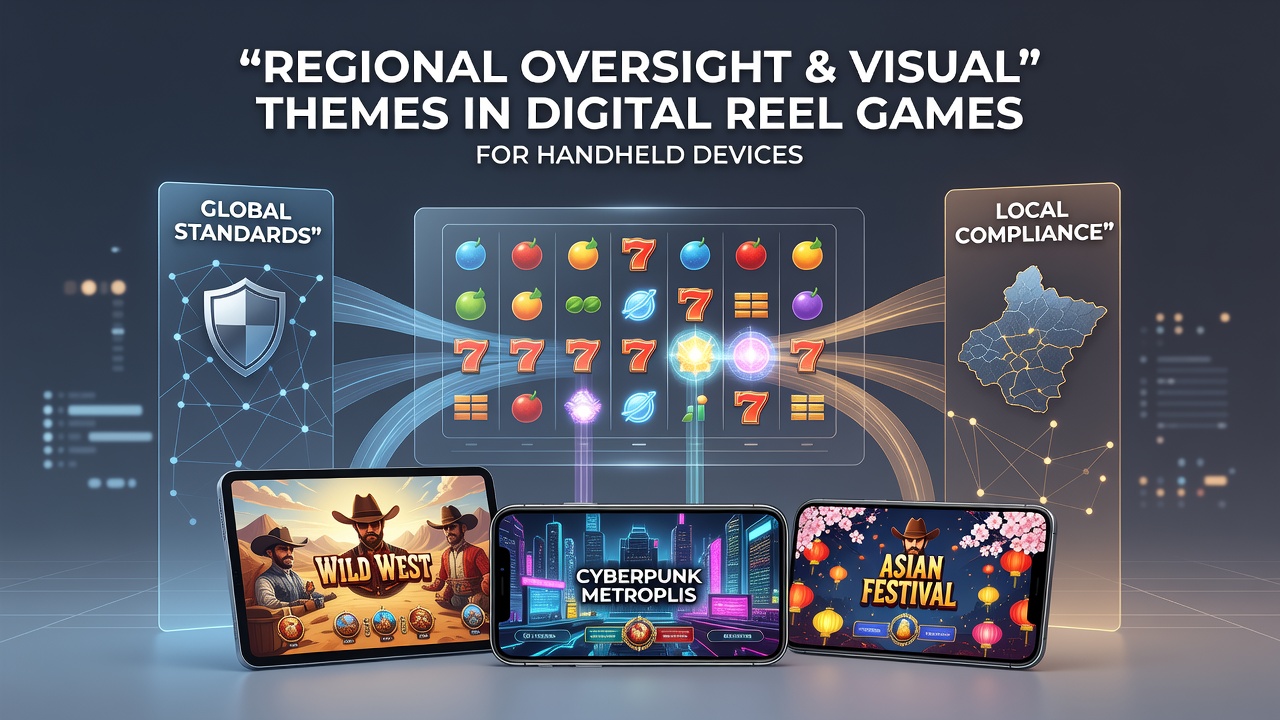
Regional oversight plays a direct role in determining the visual elements that appear in digital reel games designed for handheld devices, with rules varying sharply by jurisdiction and often dictating color choices, symbol selections, and animation styles to align with local standards. Developers adjust artwork, backgrounds, and character designs to satisfy licensing requirements before games reach mobile platforms, creating distinct regional aesthetics that reflect both cultural expectations and legal boundaries.
Regulatory Frameworks and Their Visual Requirements
Authorities in different markets impose specific guidelines on content that appears on small screens, where touch interactions and short play sessions amplify the need for immediate visual clarity. In the European Union, directives on consumer protection and content classification influence the types of imagery permitted in games distributed across member states, leading studios to favor neutral palettes and abstract symbols over detailed narrative scenes. Canadian provincial regulators, including those in Ontario, require submissions that demonstrate compliance with advertising standards, which frequently results in toned-down character animations and simplified iconography suited to portrait-mode displays.
Australian oversight through bodies such as the Australian Communications and Media Authority enforces rules on interactive content, prompting designers to modify reel symbols and background environments to avoid depictions that could conflict with community standards. These adjustments occur during the certification process, where visual assets undergo review before mobile versions receive approval for distribution on handheld devices.
Color Choices and Cultural Symbolism in Mobile Designs
Color palettes shift noticeably between regions because oversight bodies evaluate how hues and contrasts perform on handheld screens under varying lighting conditions. Markets with stricter guidelines on visual intensity often see developers opting for muted tones and high-contrast outlines that remain legible during brief gaming sessions. Symbolism follows similar patterns, with certain motifs prohibited or restricted based on historical or religious sensitivities documented in regulatory codes.
One study from a North American research institution found that games adapted for multiple jurisdictions displayed measurable differences in icon density and animation speed when optimized for mobile formats. These modifications ensure that visual elements comply with local content classifications while maintaining functionality across different device resolutions.
Adaptation Processes for Handheld Platforms
Studios typically maintain separate asset libraries for each target market, allowing quick swaps of background layers, particle effects, and character models when a game transitions from one regulatory environment to another. Mobile-specific constraints, such as limited processing power and variable screen sizes, intersect with these oversight requirements, forcing teams to balance compliance with performance needs. In October 2026, several international certification bodies updated their submission portals to include mandatory mobile preview tools, streamlining the review of visual themes before games launch on handheld devices.
Observers note that these updates have accelerated the adoption of modular design systems, where core mechanics remain consistent while visual layers adapt to regional feedback. Data from industry reports indicate that developers who implement early regulatory consultations reduce revision cycles by significant margins when preparing titles for diverse handheld markets.
Industry Examples and Cross-Border Comparisons
Games released in multiple territories demonstrate clear visual divergence once regional approvals conclude. Titles originating in Asian markets often incorporate denser icon arrangements and vibrant gradients that align with local expectations, whereas versions prepared for North American audiences feature streamlined layouts and reduced motion to satisfy different classification criteria. A report issued by the European Gaming and Betting Association highlights how these adaptations support broader distribution while meeting jurisdiction-specific criteria for handheld gaming applications.
Another examination conducted by Canadian researchers compared visual metrics across approved mobile titles and documented consistent patterns in symbol scaling and animation duration tied directly to licensing conditions. Such findings underscore the practical impact of oversight on the final appearance of reel games viewed on portable screens.
Conclusion
Regional oversight continues to guide the development of visual themes in digital reel games for handheld devices through structured approval processes and content guidelines that differ by market. Developers respond with targeted asset modifications that preserve core gameplay while satisfying local requirements, resulting in regionally distinct aesthetics optimized for mobile presentation. As certification standards evolve, these influences shape how visual elements reach players across varied regulatory landscapes.