Examining Intersections of Live Dealer Mechanics and Adaptive Player Guides Under Sweden's Evolving Licensing Requirements
Skriven av Dana Fischer · 2026-09-29
Examining Intersections of Live Dealer Mechanics and Adaptive Player Guides Under Sweden's Evolving Licensing Requirements
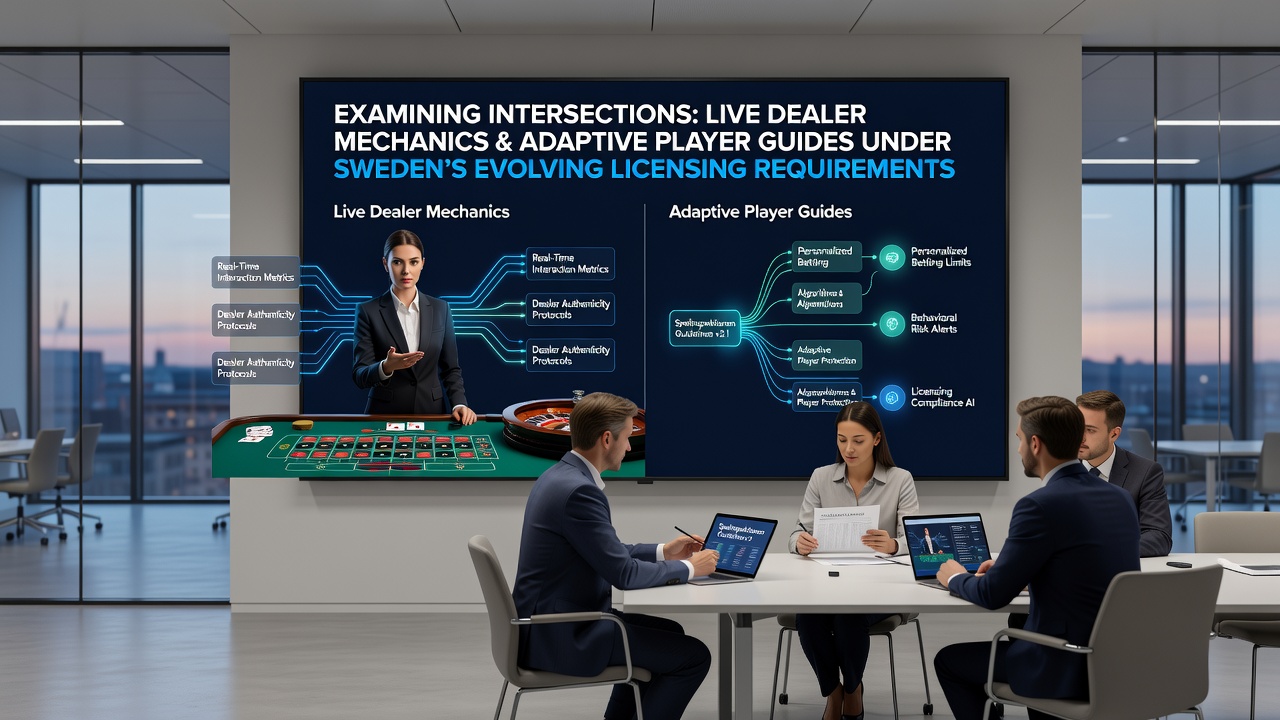
Sweden's gambling framework continues to shape how live dealer platforms operate alongside tools that adjust guidance based on individual player patterns, and operators must align these elements with Spelinspektionen standards that emphasize transparency and responsible participation. Live dealer mechanics rely on real-time video streams and physical equipment at licensed studios, while adaptive player guides use data inputs to deliver tailored prompts about session limits or game rules during play. These components intersect when guidance systems activate within live environments, creating requirements for seamless integration that meet licensing criteria updated through successive regulatory reviews.
Live Dealer Operations Within Swedish Licensing Structures
Operators holding Swedish licenses host live dealer tables through controlled facilities that transmit video to players across the country, and these setups must incorporate verification protocols to confirm dealer actions and equipment integrity at all times. Spelinspektionen mandates that all live sessions record data streams for audit purposes, which allows regulators to trace how games proceed without interruptions or unauthorized alterations. Adaptive guides enter this space by monitoring player inputs such as bet sizes or time spent at a table, then adjusting messages that appear alongside the dealer feed to highlight options like time-out features or deposit caps. Research from European gaming associations shows that such combined systems reduce deviation from established play parameters when implemented correctly under current license terms.
Adaptive Guides and Their Technical Alignment With Live Formats
Adaptive player guides draw from algorithms that process session data in real time, and these tools must function within the constraints of Sweden's licensing rules that prohibit any interference with game outcomes. In practice the guides overlay information on live dealer interfaces without altering card shuffles or roulette spins, which keeps compliance intact while providing players with contextual reminders about responsible limits. Data collected by licensed operators indicates that integration points occur at the software layer where video feeds connect to user dashboards, and this architecture demands regular testing to verify that guidance remains non-intrusive. Observers note that platforms achieving certification often employ modular designs allowing quick updates when licensing conditions evolve, particularly ahead of scheduled revisions.
Regulatory Developments and September 2026 Milestones
Sweden's licensing authority has outlined further refinements to digital gaming standards that take effect in September 2026, and these changes focus on enhanced data handling for live dealer environments paired with adaptive guidance mechanisms. The updates require operators to demonstrate that guidance systems log every player interaction for review, while live feeds maintain uninterrupted recording that captures both dealer activity and any overlaid prompts. European regulatory comparisons reveal similar emphasis on audit trails in other jurisdictions, yet Sweden's approach ties these elements directly to license renewal processes. Operators must submit technical documentation showing how adaptive tools respond to live scenarios without introducing latency or visual obstructions during dealer-hosted games.
Integration Challenges and Compliance Pathways
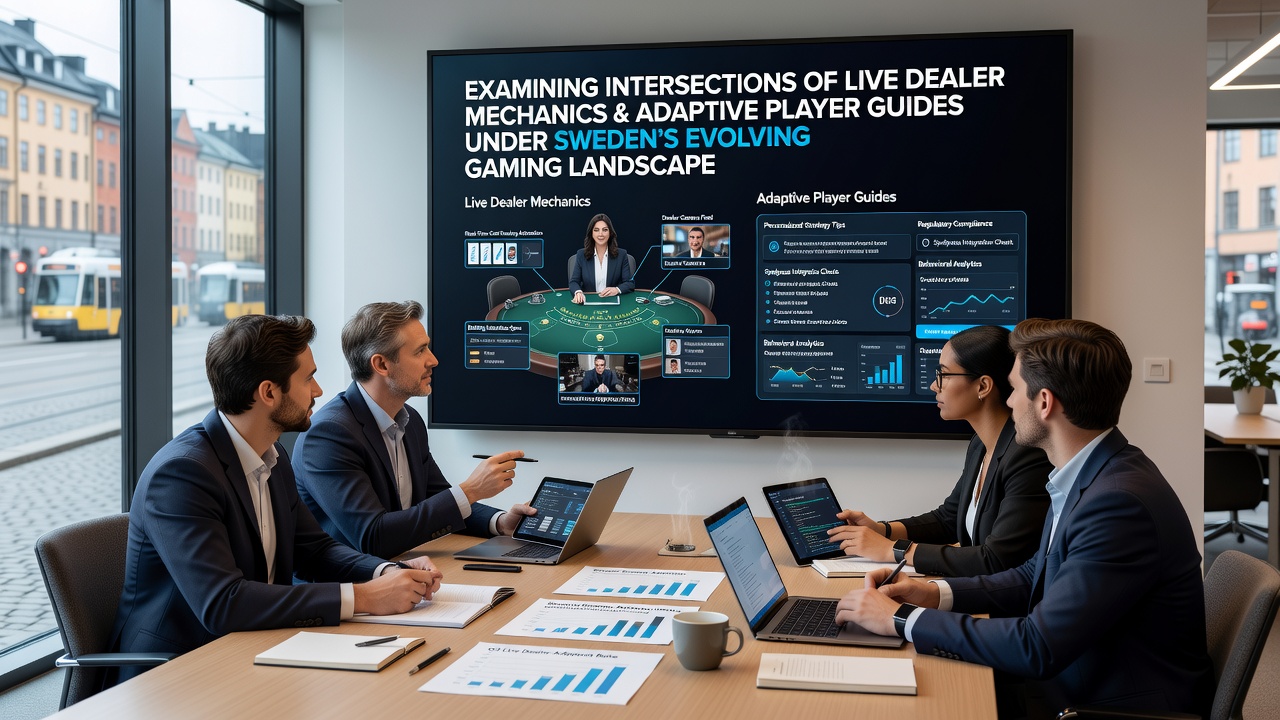
Combining live dealer mechanics with adaptive guides presents technical hurdles around synchronization, because video latency or data mismatches can trigger compliance flags during inspections. Licensed entities address these issues through dedicated middleware that synchronizes guidance triggers with dealer events, ensuring prompts appear at appropriate moments such as after a hand concludes rather than mid-action. Figures from industry reports compiled by research institutions in Canada highlight that platforms using synchronized systems maintain higher rates of uninterrupted sessions, and similar metrics appear in Swedish operator filings submitted to Spelinspektionen. Those preparing for the September 2026 adjustments focus on pre-certification audits that simulate full live cycles with active guidance overlays to confirm no conflicts arise.
Case Examples From Licensed Operators
One operator that expanded its live dealer offerings in recent years incorporated adaptive guidance modules directly into its mobile applications, and this allowed players to receive session summaries that referenced both table results and personal limit settings without leaving the video interface. Another entity adjusted its backend systems to flag when guidance frequency exceeded thresholds set by licensing conditions, which triggered automatic reviews to maintain alignment with responsible gaming protocols. Such cases illustrate how the intersection functions in operational environments, where data from live sessions feeds directly into guidance algorithms that adapt based on cumulative play history.
Conclusion
Sweden's evolving licensing requirements continue to define operational boundaries for live dealer mechanics and adaptive player guides by mandating precise data controls and integration standards that support ongoing compliance. As preparations advance toward September 2026, operators refine these intersections through technical validations and documentation that satisfy Spelinspektionen expectations. The framework supports continued development of combined systems while preserving core principles of transparency and player protection across all licensed activities.